






THE SECRET LANGUAGE OF COLOUR IN HIGH AND FINE JEWELLERY
September 1st, 2025

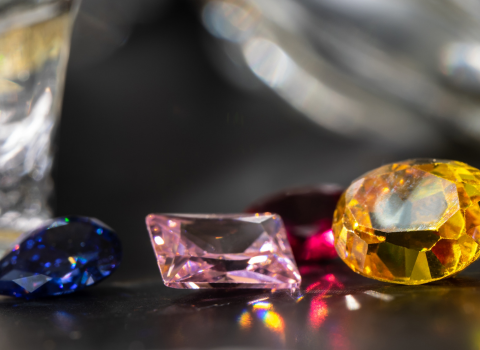
In the world of high and fine jewellery, colour is far more than just a visual element—it is language, symbol, and intention. Gemstones and metals carry with them centuries of meaning, carefully selected by designers and collectors alike to convey mood, message, and even personal identity. From fiery red rubies to the subtle shimmer of champagne diamonds, colour can elevate a piece of jewellery from mere ornament to a work of wearable art.
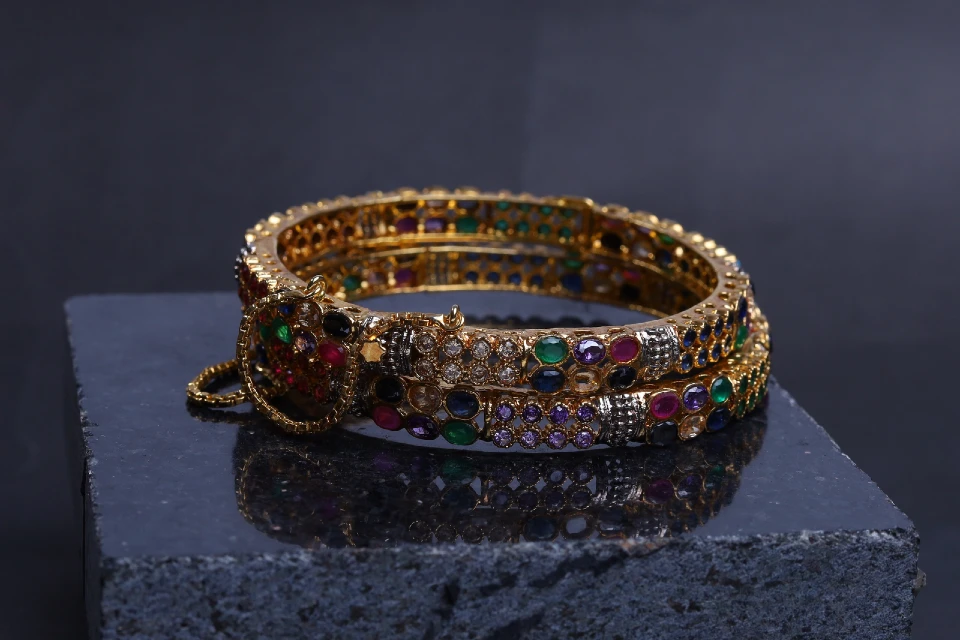

Gemstones represent perhaps the most immediate example of colour's significance in jewellery design. Rubies have long been associated with passion, power, and protection. In ancient times, warriors believed rubies would bring them courage in battle, while in modern jewellery, they are a favourite for bold, romantic pieces. Contrast this with the serene blue of classic sapphires, which symbolizes wisdom, royalty, and fidelity—an ideal stone for engagement rings and regal collections. The magnificent green of emeralds has been tied to fertility, renewal, and opulence since the days of Cleopatra, who was famously enamoured with the gem.
.
But beyond the traditional gemstones, high jewellery is increasingly embracing unconventional colours and rare stones to express individuality. Paraiba tourmaline, with its electric neon-blue glow, has become a favourite among collectors for its rarity and tropical vibrance. Padparadscha sapphires, with a delicate blend of pink and orange, are sought after for their uniqueness and often symbolize creativity and intuition. These less conventional stones allow designers to break free of tradition and craft pieces that are deeply personal and avant-garde.
Even the metal settings themselves play a crucial role in how colour and symbolism are explored. Yellow gold brings warmth and tradition, often seen as a tribute to tradition. White gold and platinum, on the other hand, offer a contemporary, cool-toned backdrop that enhances the brilliance of both diamonds and coloured stones. Rose gold, with its romantic pink hue, has surged in popularity for its soft femininity and vintage charm, especially in bespoke and bridal jewellery.
Cultural context also plays a major role in the meaning of colour in jewellery. In Chinese culture, red stones such as rubies and garnets symbolize good luck and prosperity, making them popular in celebratory or wedding pieces. In India, coloured gemstones are deeply intertwined with astrology, and certain hues are worn to attract good fortune or balance personal energies. In the West, birthstones and anniversary gems offer a more personalized and symbolic approach to coloured jewellery, with each stone tied to a month, year, or life event.
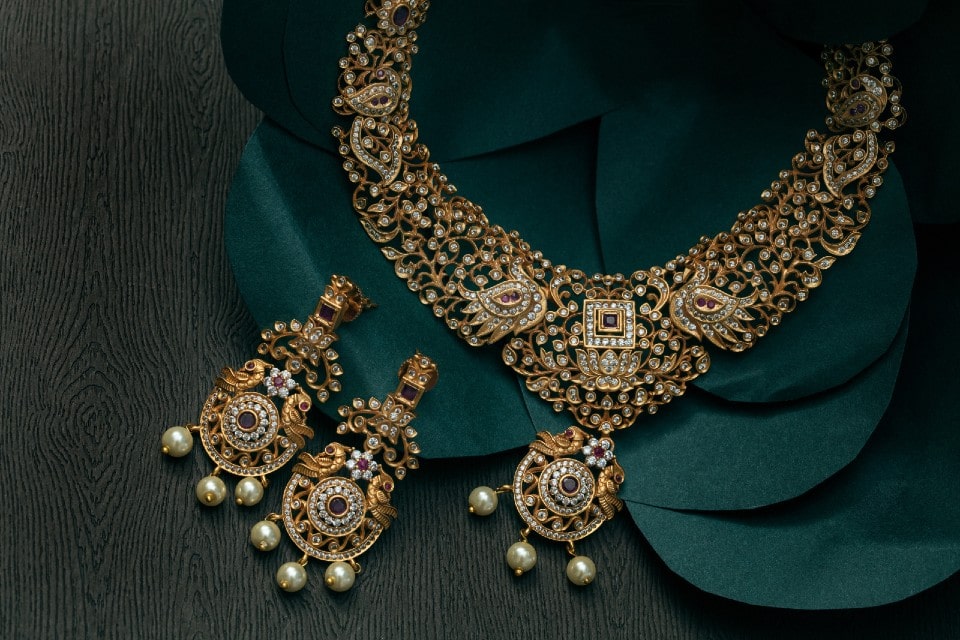
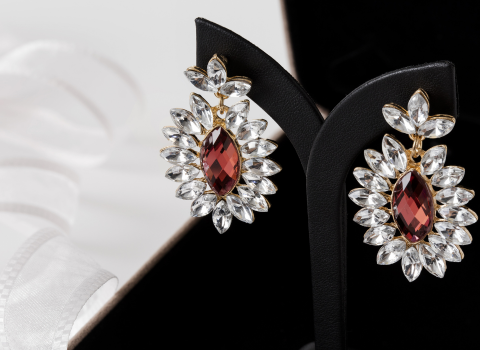

Jewellery maisons and high-end designers are increasingly treating colour as a narrative device, fearlessly using bold palettes, often blending unexpected combinations—such as amethyst with turquoise or citrine with onyx—to tell stories of exotic travels or mythic romance. These colour choices aren't random; they are deliberate, steeped in both visual harmony and symbolic richness.
Ultimately, the colours found in fine and high jewellery offer more than aesthetic delight—they tell stories, evoke emotional response, and connect us to cultures, histories, and personal milestones. As jewellery continues to evolve, colour remains a timeless thread that ties past to present, tradition to innovation. Your choices in colour speak volumes, often more than words ever could.
