





THE HISTORY OF FLOWERS IN JEWELLERY DESIGN
August 1st, 2025
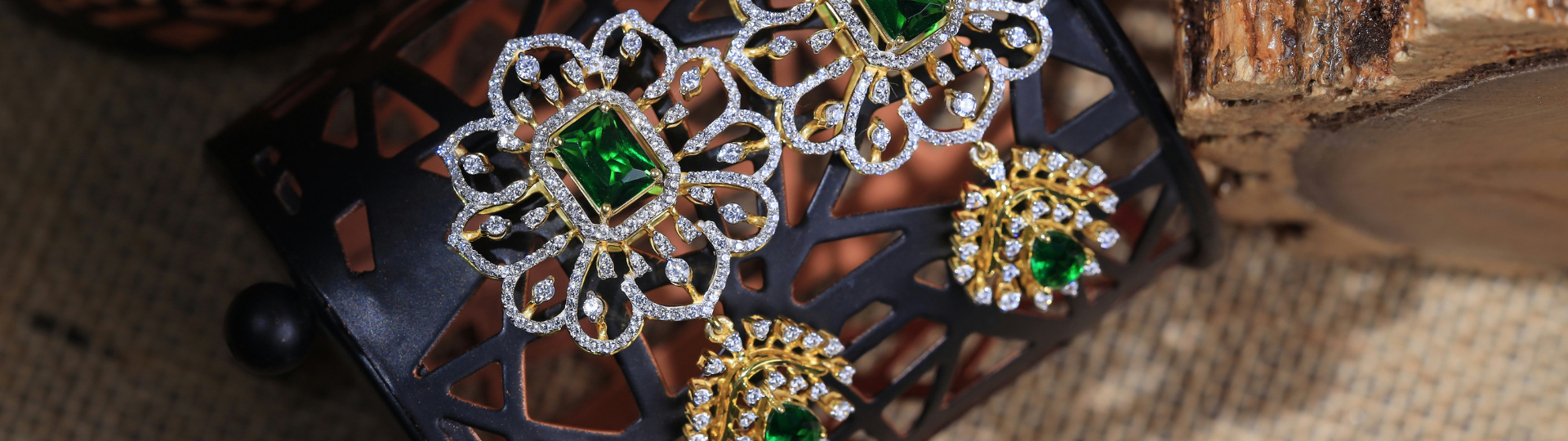
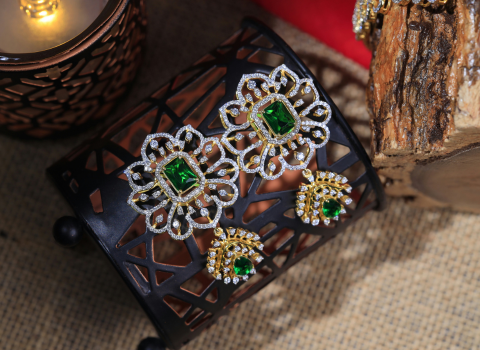
Across centuries, floral motifs have blossomed in jewellery design, not only for adornment but as emblems of emotion, culture, and craftsmanship. Their organic beauty lends itself naturally to the intricate detailing required in both fine and high jewellery, making them a timeless source of inspiration.
In ancient civilizations, floral motifs were among the earliest decorative elements in jewellery. In Egypt, lotus flowers were commonly used in amulets and adornments, symbolizing rebirth and the sun. In Greco-Roman traditions, laurel wreaths and vine leaves in gold were worn to signify status and divine favour. Floral designs carried powerful meanings rooted in mythology, religion, and nature’s cycles.
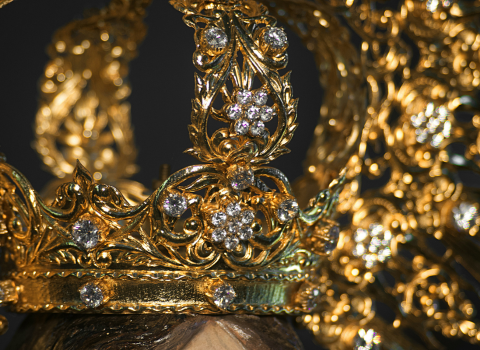

The tradition continued into the Renaissance, when naturalism took hold of the arts. Jewellery from this era often featured enamelled flowers with remarkable attention to botanical accuracy. This wasn’t just a testament to craftsmanship—it reflected a broader cultural fascination with the natural world, spurred by scientific discovery and the Age of Exploration. Flowers depicted in jewellery now represented love, purity, and the ephemeral nature of life, echoing themes found in the literature and painting of the time.
By the 18th and 19th centuries, the language of flowers—or floriography—took root, especially in Victorian society. Jewellery became a secret code: a forget-me-not brooch communicated devotion, while a rose might speak of romantic passion. With innovations in gem-cutting and metallurgy, jewellers captured the delicate intricacies of petals, leaves, and vines in lifelike detail. Diamonds, rubies, emeralds, and sapphires were often used to bring colour and sparkle to these botanical creations.
The Art Nouveau period at the turn of the 20th century marked one of the most expressive eras for floral jewellery. Rather than imitate nature, artists stylized it—orchids, poppies, and irises unfurled in sweeping, organic lines. Materials like horn, moonstone, and enamel allowed for softness and subtlety, emphasizing emotion and fantasy over realism. Flowers became muses in a dreamlike world where jewellery became wearable art.
Even in the modern and contemporary eras, flowers remain central to jewellery design. From bold, abstract blooms in mid-century pieces to the hyper-realistic floral creations of today’s master artisans, the motif continues to evolve. The enduring popularity of flowers in jewellery design speaks to their ability to be romantic or avant-garde, minimalist or opulent, timeless or trendsetting.

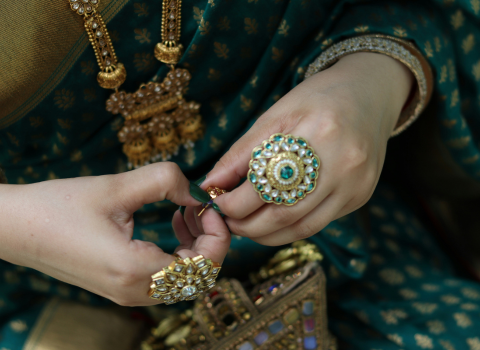
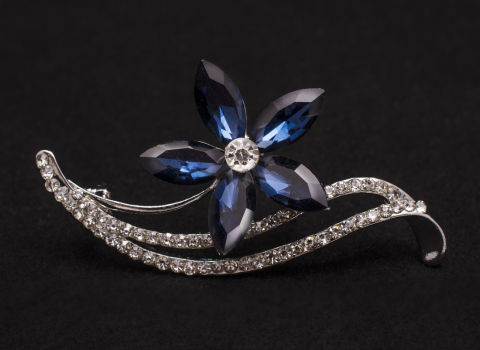
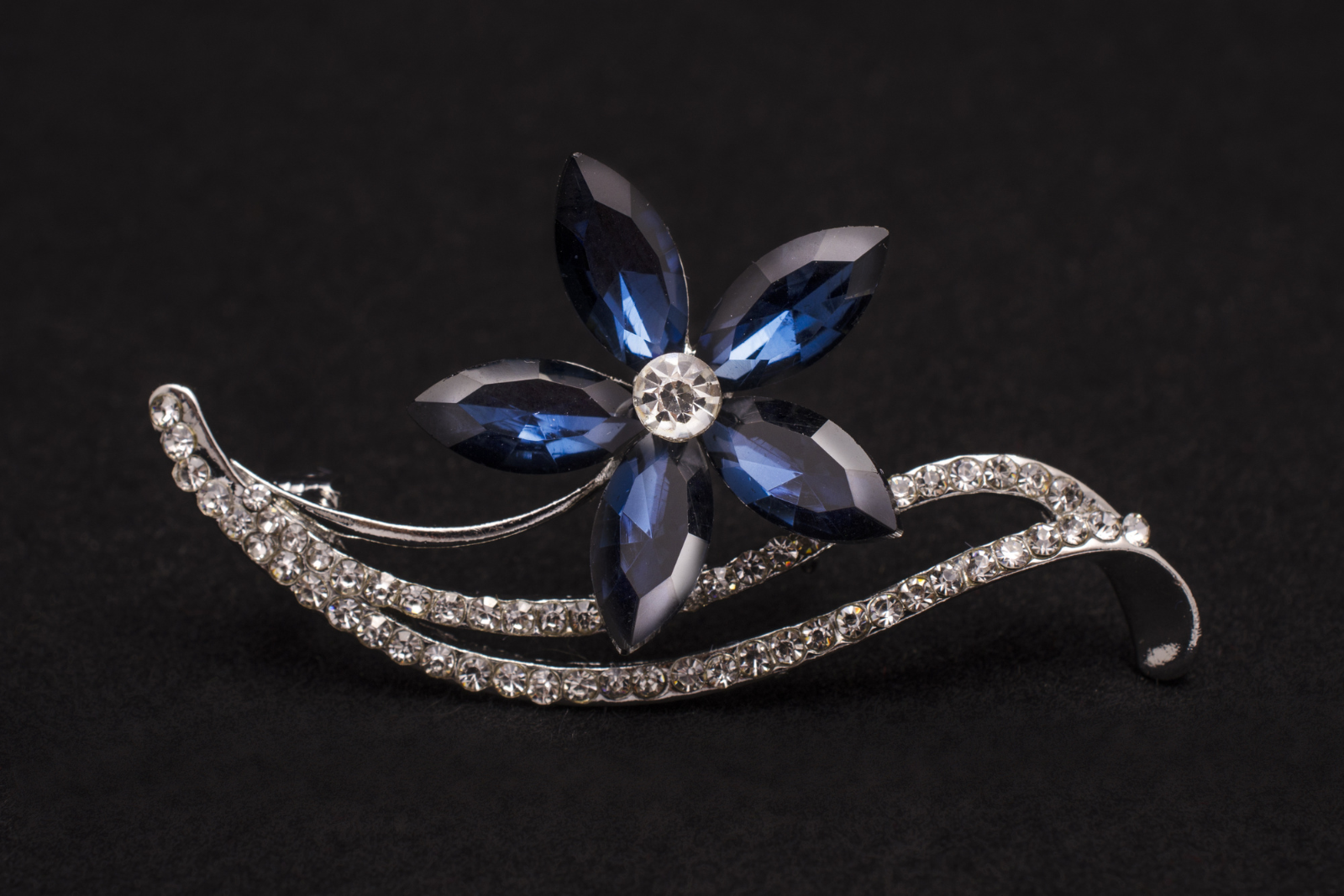
Ultimately, the floral motif in jewellery is more than a visual design choice. In every petal carved in stone, every diamond-studded stem, lies a quiet homage to nature’s beauty and its deep resonance with the human spirit. As long as people celebrate love, beauty, and meaning, the flower will continue to bloom in the art of both fine and high jewellery.
